
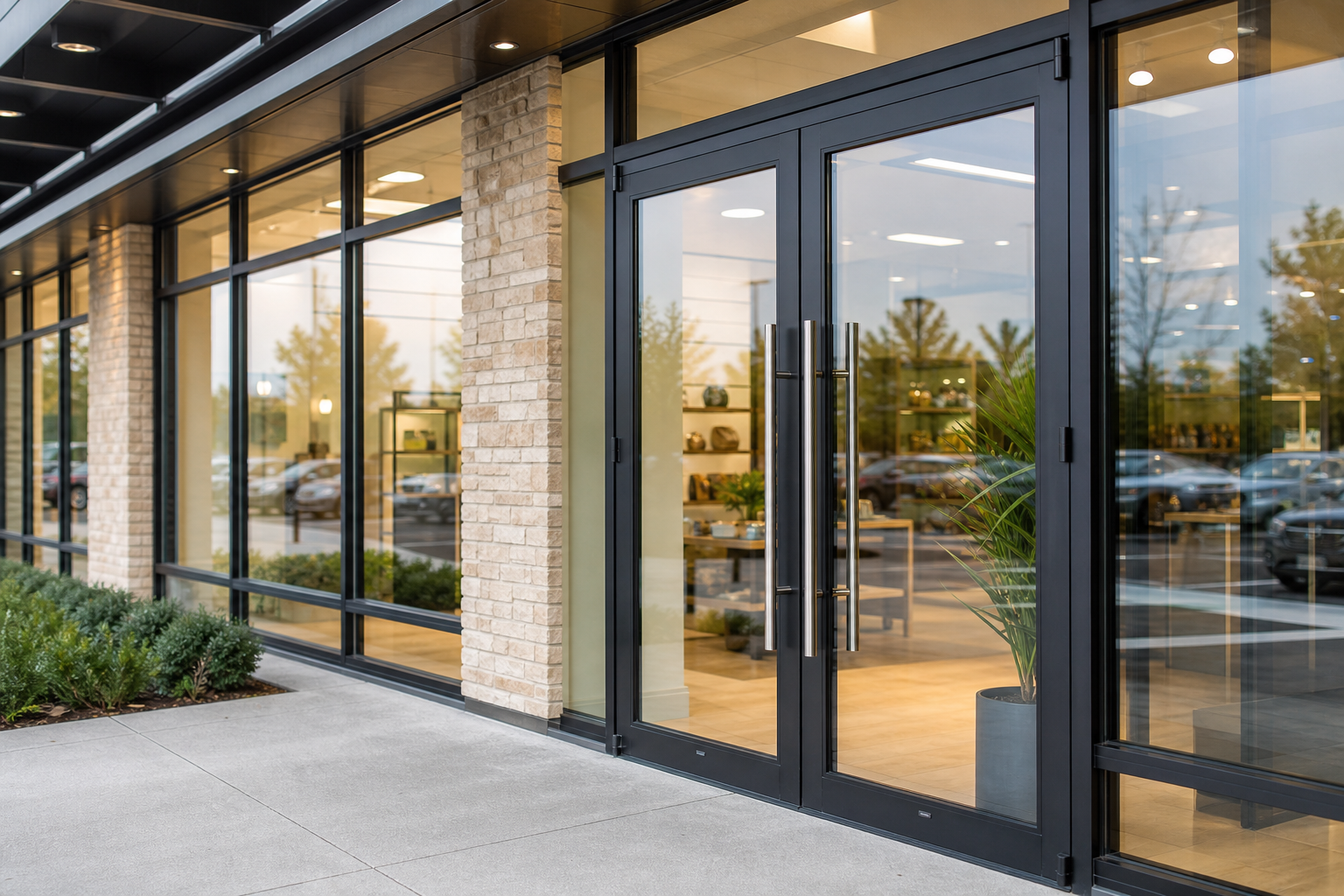
What should you ask before choosing storefront glass entrances?
Choosing storefront glass entrances is a high-stakes decision. The wrong glass type, underspecified hardware, or an unreliable installer can create security, accessibility, weatherproofing, and maintenance problems that quickly outweigh any initial savings. If you are planning a new storefront or replacing an entrance in Edmonton, start by confirming whether the supplier measures, fabricates, and installs in-house and can show past commercial work. OZ Shower Doors manufactures, supplies, and installs commercial glass, including storefronts and entrances, and you can request a local site assessment on the storefront and entrances page.
Is the supplier set up to deliver commercial storefront entrances
Red flag: A vendor cannot prove commercial experience, shows only residential photos, or refuses to say whether fabrication is done in-house. Storefront glass entrances require a supplier who understands commercial tolerances, can coordinate with building trades, and takes responsibility for measurement, glass fabrication, and installation.
Vendor evaluation: what to request and why
- Ask for three recent commercial references and storefront project photos, including before and after shots and the contact details of the building manager. Third-party reviews and references reveal workmanship and scheduling reliability; industry checklists show these are reliable indicators.
- Confirm whether fabrication is in-house or subcontracted. In-house manufacture reduces hand-offs and gives tighter control over tolerances, lead times, and QA. If subcontracting is used, request the subcontractor name and sample QA paperwork.
- Request proof of commercial insurance and workplace safety coverage. Suppliers should show current general liability and WCB documentation before work begins.
- Ask to see a sample contract and a written quality assurance process. The contract should list scope, exclusions, allowances, and a clear sign-off step after installation to avoid disputes.
These questions help you separate installers who can handle commercial storefront complexity from those best suited to small residential jobs. If a supplier cannot or will not answer these items in writing, treat that as a warning sign.
Glass specification red flags and the questions that expose them
Red flag: A quote that lists only "glass" without type, thickness, or safety rating. The wrong glass type or insufficient thickness will affect safety, energy performance, and durability, especially at busy entrances.
Tempered vs laminated, thickness, films and energy or visibility trade-offs
- Ask whether glazing is laminated or tempered and why the supplier chose that option. Laminated glass keeps fragments in place and improves security; tempered glass breaks into small, less harmful pieces. Ask the supplier to explain the safety trade-offs for your site.
- Ask for exact glass thicknesses and a rationale tied to footfall. Heavier use and greater exposure generally require thicker panes or laminated assemblies; link the proposed thickness to similar projects the supplier has completed.
- Ask about coatings, films, and low-e options. Coatings affect solar gain, privacy, and UV protection. If film is proposed for security or tinting, confirm how a future repair would be handled and whether the film would be replaced or repaired separately.
- Request a replacement strategy for damaged glazing, including lead times and whether the supplier keeps matching stock for common sizes or will measure and remanufacture on request.
Clear answers on glazing type and thickness, tied to actual use, prevent a common mistake: choosing a delicate aesthetic option that cannot withstand the operational demands of a busy storefront. For practical specification checklists on commercial entry systems, consult industry guidance referenced below.
Hardware, framing and threshold red flags to confirm before you sign
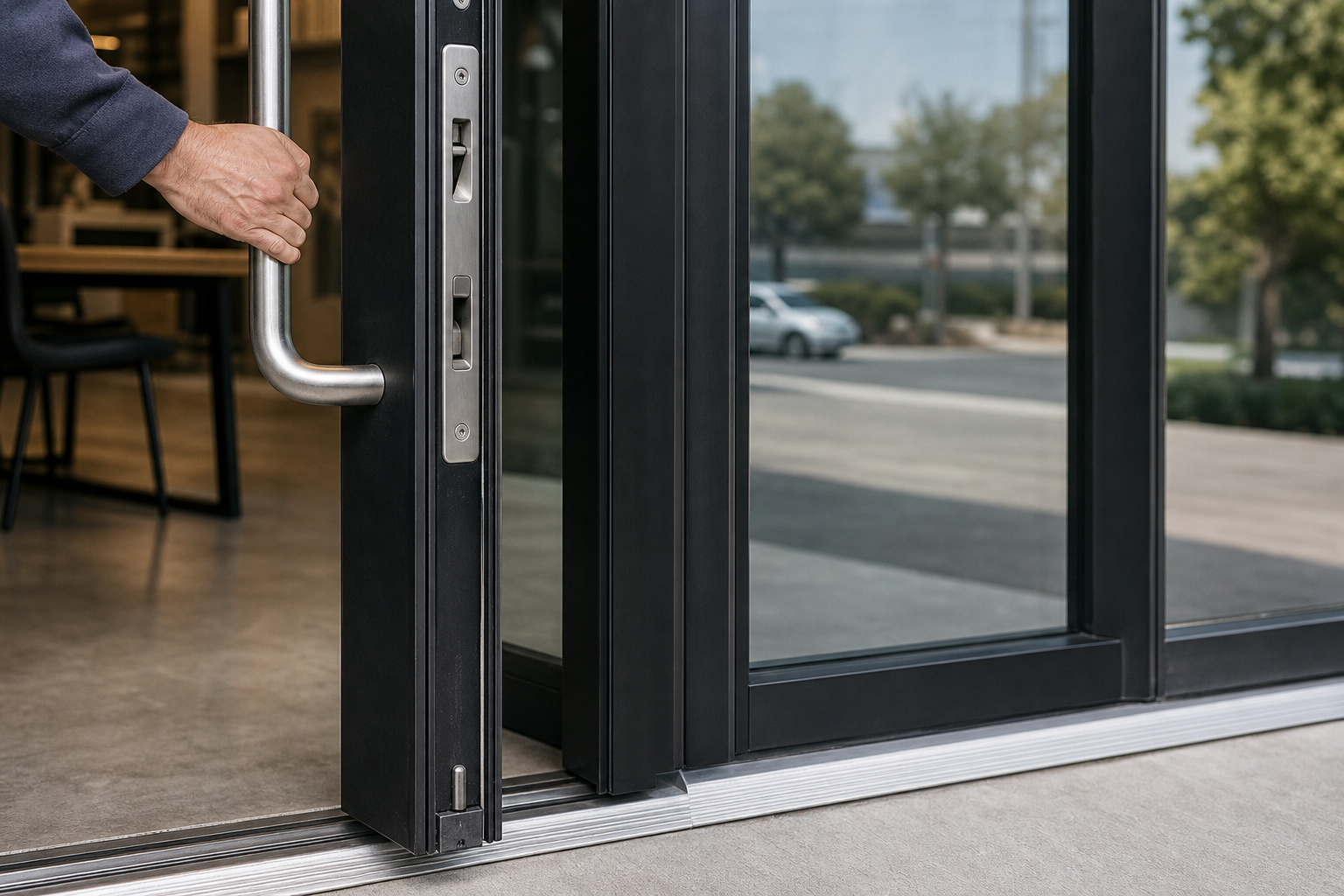
Red flag: Hardware described only as "commercial" without naming brands, traffic ratings, or corrosion resistance. Cheap or underspecified pivots, closers, and locks cause premature failure and security risk, especially in Alberta winters.
Which hardware specs to ask for
- Ask for brand names and model numbers for hinges, pivots, closers, locks, and panic hardware. Confirm traffic rating or cycles where available, and whether the hardware is tested to commercial performance standards.
- Ask about finishes and corrosion resistance for Edmonton winters. Specify corrosion-grade finishes or stainless steel where snow, road salt, or humid entryways could accelerate deterioration. Confirm finish details and whether thermal breaks are included when energy performance matters.
- Ask about thresholds, weather seals, and insulated framing. Threshold detail determines drafts and water entry; request documentation for how the system prevents snow and slush from migrating indoors.
- Ask whether spare parts are stocked locally and expected lead times for replacements. Hardware availability reduces downtime following damage.
Demonstrated hardware model numbers and installation details reduce the risk of surprise maintenance items or hidden upgrade costs later.
Footfall and durability: when aesthetics hide weak specs
Red flag: A design decision based on looks alone, such as recommending frameless entrances at a location with heavy peak traffic. Frameless systems offer a premium look but demand precise installation and ongoing maintenance that some contractors are not prepared to provide.
Testing, ratings and accessibility checks to request
- Ask for documented traffic tests or references for similar footfall environments. High-traffic retail situations need proven assemblies and commercial-rated door mechanisms; insist on examples from comparable sites.
- Ask for clear opening and accessibility measurements, and whether the design will meet local access expectations. Early coordination on clear openings prevents costly rework to meet accessibility goals.
- Ask whether the proposed design needs reinforcement or closer adjustments to handle peak flows, and whether the supplier offers an extended warranty for heavy-use scenarios.
Match the aesthetic choice to expected use. If the supplier cannot supply tested examples in similar climates, treat that as a serious warning sign.
Installation and scheduling red flags you must avoid
Red flag: A vague installation timeline, unwillingness to provide a parts sourcing plan, or a contract without an explicit customer sign-off. Missed appointments and poor communication are common causes of unhappy customers.
What to put on the installation schedule
- Get a firm site measurement date, written fabrication lead time, and a scheduled installation window. The schedule should list contingency time for parts delays and identify who is responsible for site preparation.
- Request a parts-sourcing plan if the design uses nonstandard hardware, including expected lead times and alternatives if parts are unavailable.
- Require a commissioning checklist and customer sign-off step. The installer should document before and after photos and leave maintenance instructions and spare keys where applicable.
- Ask whether the supplier uses automated appointment reminders and a contact protocol if technicians are delayed. Clear communication policies reduce the frustration of missed visits.
Insist these installation terms are written into the contract. If a vendor resists committing to a measurable timeline and sign-off procedure, consider that a red flag.
Maintenance and warranty red flags to verify before purchase
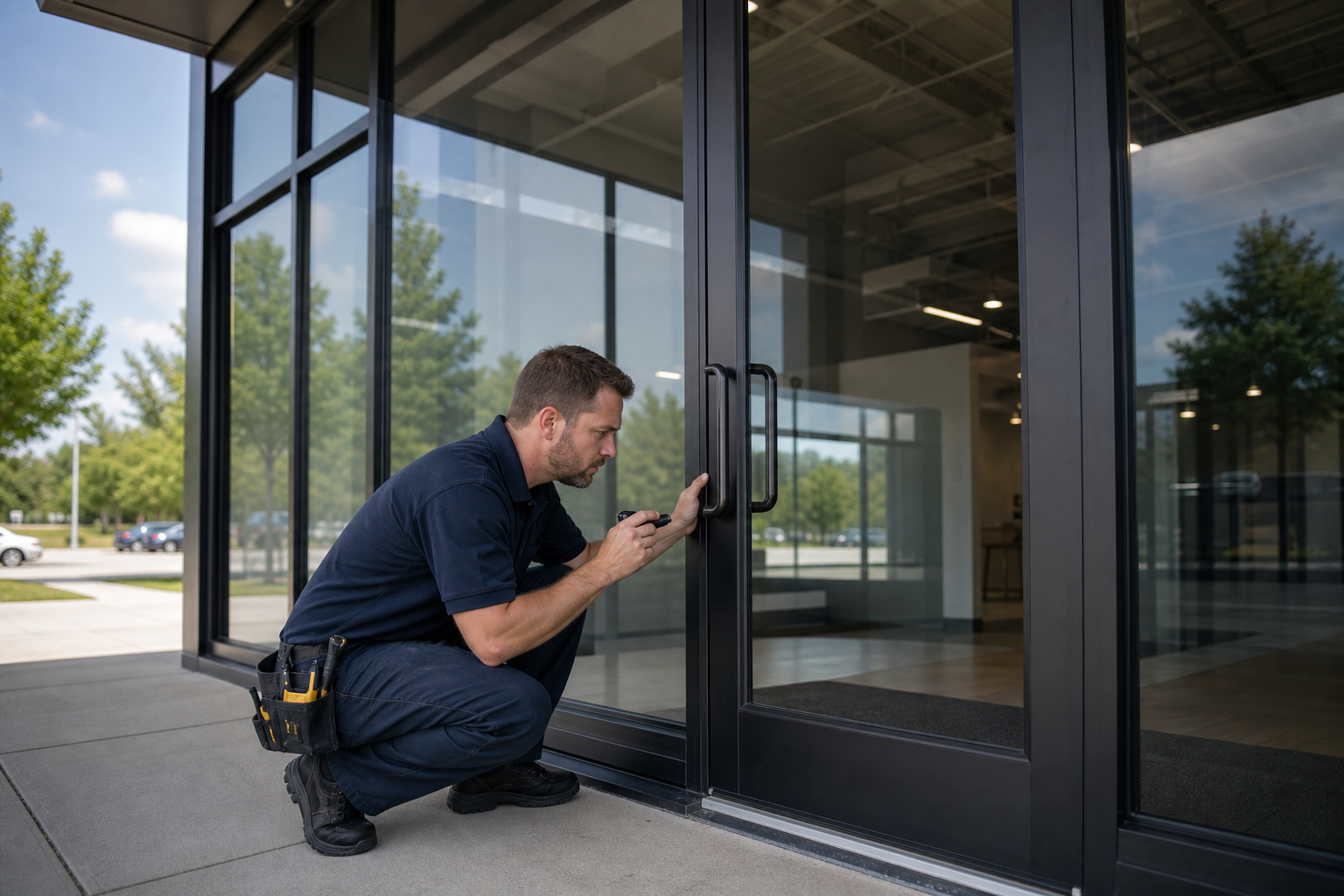
Red flag: A short, vague, or verbal-only warranty. Without written warranty terms and a maintenance plan, you can face unexpected costs for weather-related seal failures, hinge corrosion, or glass replacement.
- Ask for the exact warranty language and what it covers, including glazing breakage, hardware faults, seals, and labour. Ask how warranty claims are processed and typical response times for commercial customers.
- Ask whether there is a recommended maintenance schedule and whether the installer offers preventive maintenance packages. Regular maintenance extends the life of seals and hardware, especially in freeze-thaw climates.
- Ask what the vendor will do for emergency repairs, and whether there is an extra-cost rapid response option for damaged entrances outside normal hours.
Good vendors provide clear warranty documents and maintenance advice rather than vague verbal assurances. Industry commentators advise comparing long-term costs rather than only initial price.
Edmonton-specific considerations and landlord or city coordination
Red flag: A supplier who does not discuss local conditions. In Edmonton, freeze-thaw cycles, snow and slush, and winter de-icing practices affect threshold details, seals, and finish choices. Ask whether proposed seals and thresholds are specified with freeze-thaw performance in mind and whether the design manages snow and slush away from the entrance.
Also confirm whether the installer will coordinate with your landlord, building management, or the city for any facade approvals or access restrictions. Do not accept promises about code compliance without written confirmation and a note to verify local authority requirements yourself.
Decision criteria and a short scoring checklist
Use this quick scoring rubric to rank bids and spot fatal flaws. Give each line 0, 1, or 2 points, then sum the total. A low score indicates risk.
- Commercial references and storefront photos provided: 0 to 2 points
- In-house fabrication and documented QA process: 0 to 2 points
- Glass type, thickness, and safety glazing specified: 0 to 2 points
- Hardware brand, traffic rating, and corrosion finish listed: 0 to 2 points
- Detailed installation schedule with contingency and sign-off: 0 to 2 points
- Written warranty and maintenance plan: 0 to 2 points
If a vendor scores 8 or less out of 12, treat their bid as high risk and ask for clarifications or alternate bids. Bring your shortlist to site meetings and ask suppliers to walk you through how their chosen assembly has performed in similar climates and footfall conditions.
Next steps: bring the checklist to site meetings and request local references
Bring this checklist to every supplier meeting and insist on written answers. If you want an Edmonton-based supplier that measures, fabricates, and installs storefront glass entrances, OZ Shower Doors offers local commercial capabilities and in-house manufacturing for storefront and entrances projects; request a site assessment on the storefront and entrances page.
Frequently asked questions
What should a storefront entrance quote include so I can compare bids fairly?
A complete quote should name glass type and thickness, glazing method (laminated or tempered), hardware brand and model numbers, framing and threshold details, fabrication and installation lead times, a written warranty, and a QA sign-off step. Ask each bidder to present these line items to allow an apples-to-apples comparison.
How thick should storefront glass be for a high-traffic retail entrance?
There is no single thickness for every project. Footfall and exposure determine recommended thickness. High-traffic entrances often use thicker or laminated glass assemblies to resist impact and provide security; ask bidders to justify thickness against expected daily cycles and show comparable project examples or test data.
Are frameless storefront entrances suitable for Edmonton winters and heavy footfall?
Frameless entrances can be used, but they demand precise detailing, stronger hardware, and a maintenance plan. Frameless systems are more sensitive to movement, seal wear, and temperature-driven expansion. If you favour a frameless look, require proof of similar installations in cold climates and a maintenance agreement.
What warranty and maintenance commitments should I insist on for a storefront glass entrance?
Insist on written warranty terms that cover glazing breakage, hardware faults, seals, and labour for a defined period. Also ask for a recommended maintenance schedule and whether the supplier offers preventive maintenance or emergency repair options to minimise downtime.
Ready to get started? For a local Edmonton site assessment, quote, or to review storefront options and hardware samples, contact OZ Shower Doors or request a commercial storefront and entrance assessment on the storefront and entrances page.
Selected references and further reading: Luvindow's commercial storefront specification checklist, OpenEntrances' entrance considerations, Glass Doctor on storefront glazing, Elite Door and Glass on glass types for storefronts and entrances, CDF Distributors on storefront door materials, and Glass Tailors' vendor question checklist.
References:
- Luvindow: commercial glass entry doors specification checklist
- OpenEntrances: before you choose a glass entrance
- Glass Doctor: choosing the type of glass for storefront doors
- Elite Door and Glass: choosing the right glass type
- CDF Distributors: everything about storefront doors
- Glass Tailors: what to ask a glass company before you commit


