
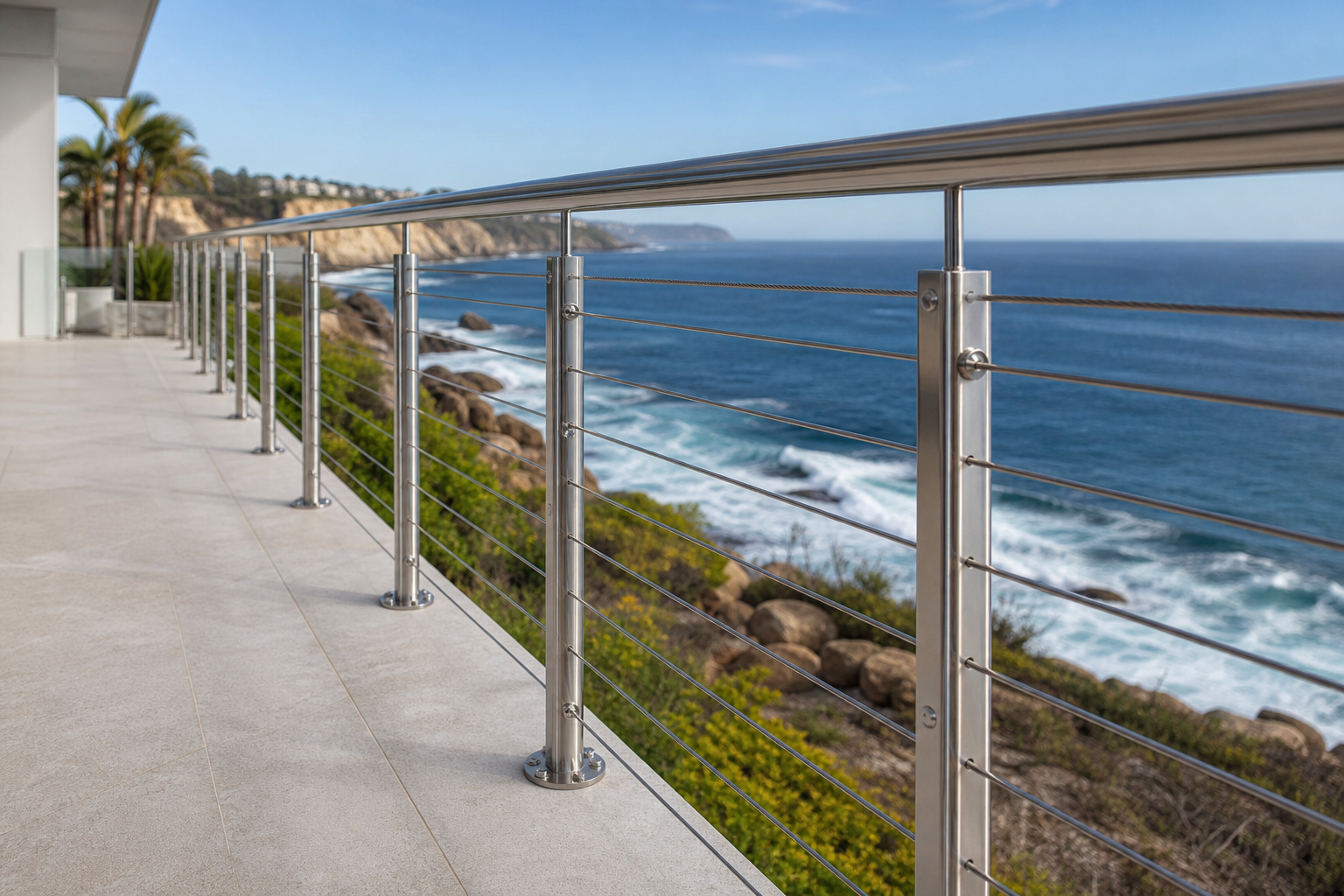
Comparing 304, 316 and 2205 stainless steel railing systems
Quick decision checklist (one-minute takeaways)
One-line rule: choose 304 for most indoor and inland uses, choose 316 where chlorides or pool chemicals are present (coastal, poolside, salt‑exposed areas), and consider duplex grades such as 2205 for very harsh or industrial conditions. This grade-first guidance is drawn from an industry grade comparison (JiuGuang guide) and distributor guidance that recommends 304 for indoor use and 316 for coastal or poolside exposure (Allwin Hardware checklist).
- Indoor / inland (no chloride exposure): SS304 is a cost‑effective choice for many interior and inland outdoor installations (JiuGuang).
- Poolside, coastal, or chloride-exposed sites: SS316 is recommended for better resistance to chlorides and corrosion (Allwin Hardware).
- Very harsh, highly corrosive, or industrial environments: duplex grades such as 2205 are cited where extra strength and corrosion resistance are required (JiuGuang guide).
Material grades and durability
Short comparison — each row links to the excerpt that supports it:
- 304: A stainless grade recommended for most indoor use and many inland outdoor installations (JiuGuang balcony guidance).
- 316: Includes molybdenum for improved resistance to chlorides; recommended where salt air, pool chemicals or other chloride exposure raise corrosion risk (Allwin Hardware checklist).
- 2205 (duplex): A duplex grade noted for greater strength and enhanced corrosion resistance used in more aggressive or industrial conditions where 316 may be marginal (JiuGuang guide).
Trade guidance frames the decision as "match the steel grade to the environment." Use the lowest‑cost grade that still matches your exposure risk: JiuGuang presents this matching rule directly, and Allwin Hardware highlights 316 where chloride exposure is expected (JiuGuang, Allwin Hardware).
On durability and maintenance: two industry sources make directly relevant points. Steeldeks describes stainless steel railing systems as offering "durability, modern appeal, and low maintenance requirements" (Steeldeks market overview), and JiuGuang states that "a stainless steel handrail can last for years with proper grade selection and care" (JiuGuang systems guide). Practical takeaway: confirm the recommended grade for your exposure and ask the supplier for any site‑specific care or maintenance instructions they publish so you can follow manufacturer guidance.
Railing system types: cable, posts/balusters and glass infill — when to pick each
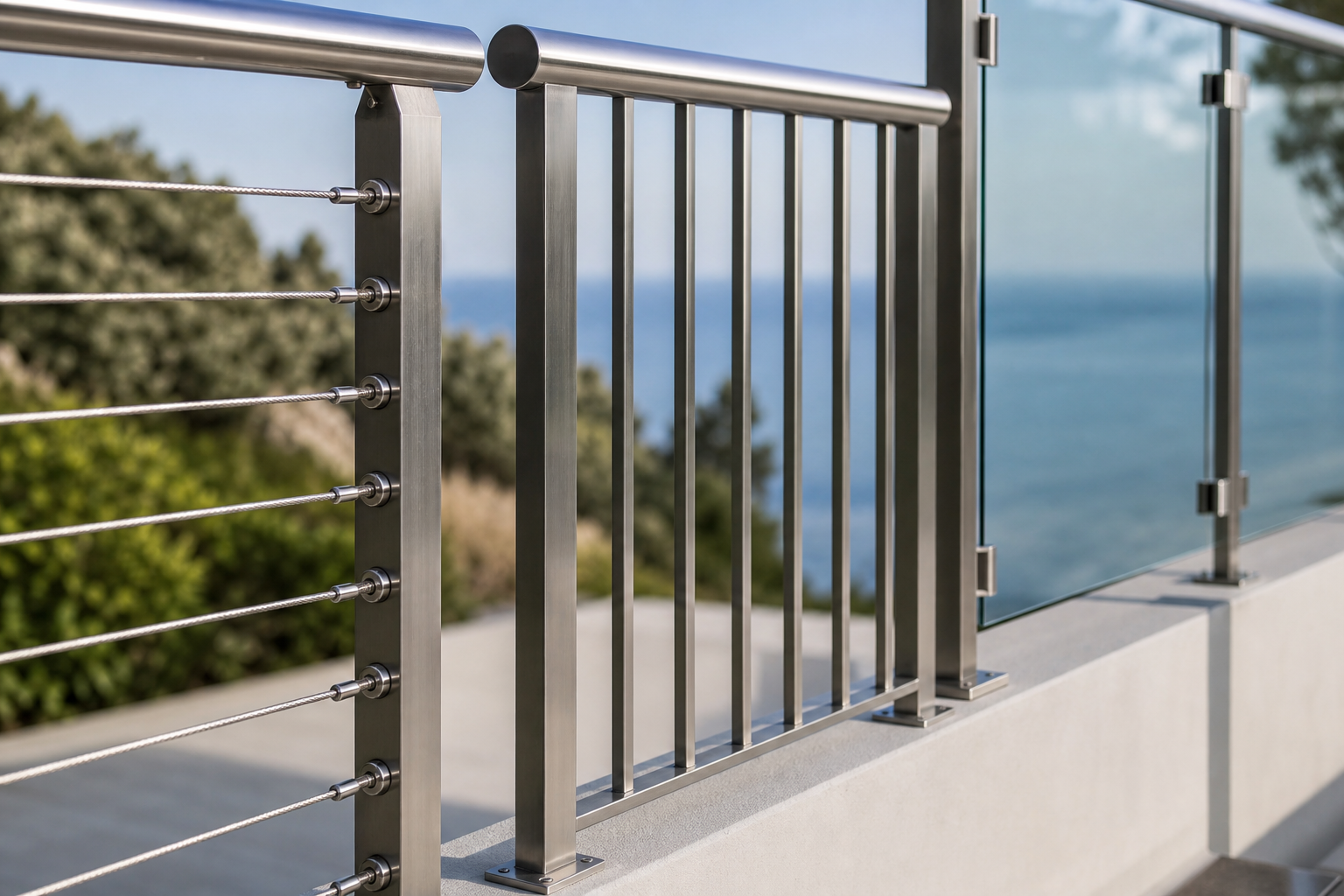
Cable systems: steel cables tensioned between posts deliver a sleek, modern look with minimal sightline obstruction. Cable systems are described as preserving views while forming a barrier when properly installed and tensioned (This Old House on cable railing).
Post-and-baluster systems: stainless posts with vertical or horizontal balusters provide a robust appearance and are chosen where simpler load detailing or a traditional look is required; systems guidance links system form to functional needs (JiuGuang systems guide).
Glass infill (panels): pair stainless posts or channels with glass panels for unobstructed views and a clean contemporary aesthetic; a manufacturers' selection guide notes that aesthetics and intended use should guide system choice (Jinling selection guide).
Design takeaway: if unobstructed sightlines are the top priority, compare cable and glass infill options; if a traditional, heavy‑duty look or vertical picket detailing is required, a post-and-baluster approach is easier to engineer to meet load needs (This Old House, JiuGuang). If considering cable systems specifically, ask manufacturers for their tensioning specifications and whether they publish on‑site tensioning or inspection procedures (This Old House).
Installer & distributor QA checklist (plus a printable pre‑measure checklist)
Distributors emphasize standardization and documented performance to avoid fit and load problems; use this short QA checklist when vetting suppliers and before an installer visit (Allwin Hardware checklist).
- Ask the supplier to confirm the steel grade (304, 316, or 2205) in writing for all exposed parts and, where relevant, for hidden fasteners (Allwin Hardware).
- Request manufacturer product data or performance statements that show declared load‑bearing capability or compliance with applicable structural expectations (Allwin Hardware).
- Confirm component standardization and matching finishes so installers don’t mix mismatched parts on site; the distributor guidance identifies inconsistent dimensions/finishes as a common installation cause of failure (Allwin Hardware).
Printable pre‑measure checklist to give to an installer or bring to a quoting visit (grounded in distributor guidance):
- Written grade confirmation for all visible and structural parts (304/316/2205) — ask the supplier to state this in the quote (Allwin Hardware).
- Finish description and confirmation that finishes match across posts, fasteners and fittings (avoid mixed alloys/finishes) (Allwin Hardware).
- Manufacturer product literature or load‑test documentation showing the system’s declared load capacity or performance statements (Allwin Hardware).
- Dimensioned drawings or a simple elevation showing post spacing, cable/alignment details, and proposed fastener locations to verify fit before fabrication (JiuGuang balcony guidance).
- Installer confirmation they will follow manufacturer assembly instructions and that all components are from the same system family to avoid interchangeability problems (Allwin Hardware).
Systems guidance notes that a well‑engineered stainless system is built for strength, durability and clean design; ask installers how their chosen system achieves those goals in writing (JiuGuang systems guide). For local product examples and to request an on‑site measurement, see the stainless steel railing page for published product details and to book a measurement.
Verify safety and code compliance (what to confirm, not the local numbers)
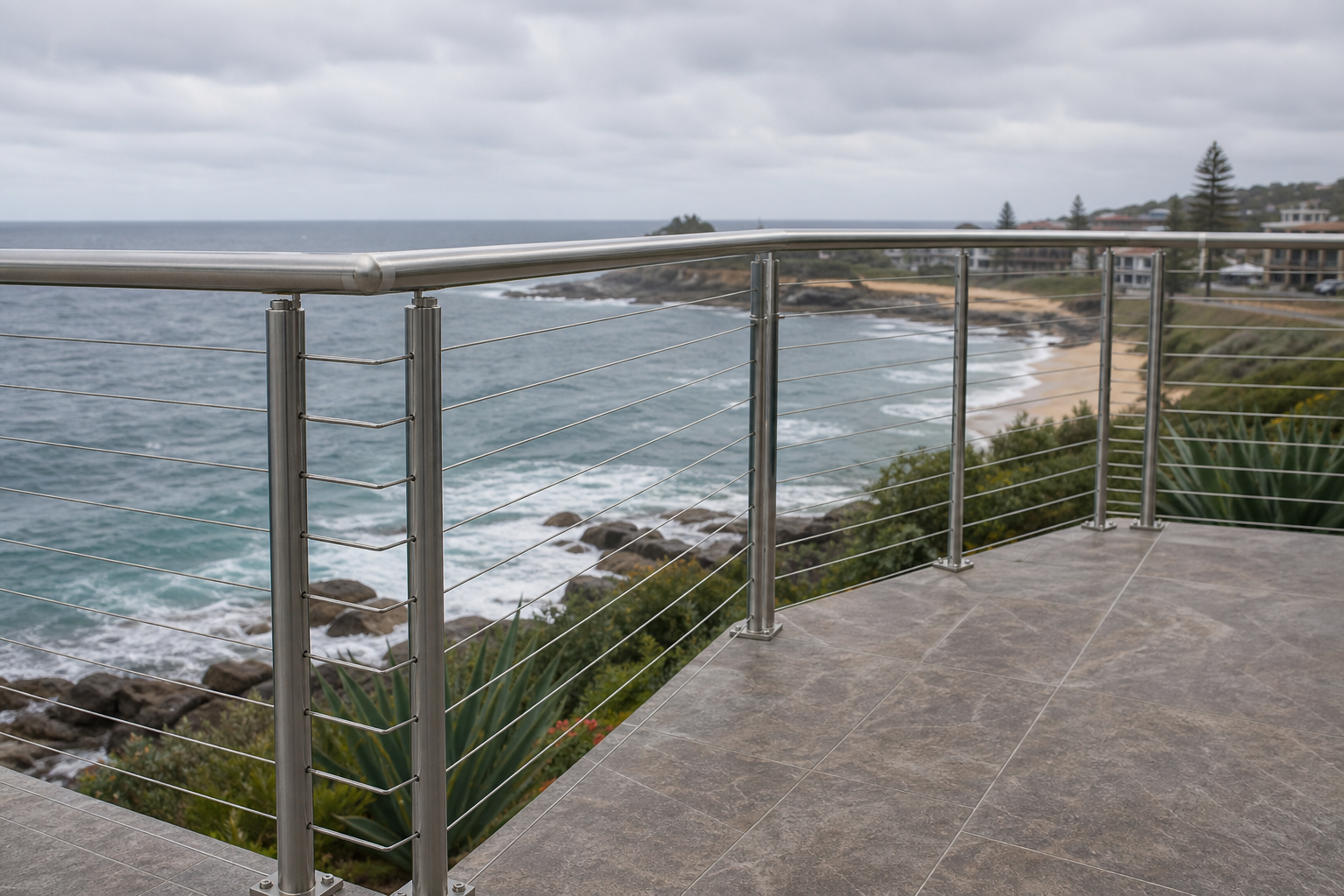
Confirming code compliance is an essential pre‑purchase check. Trade guidance recommends asking your installer or supplier to verify that the selected system meets local building codes and safety standards for guard heights and loadings rather than relying on generic numbers (Americanaerialservices on code verification).
What to ask the installer or supplier to confirm in writing before fabrication or installation:
- That the system’s published performance literature or manufacturer statements address the structural expectations required by your jurisdiction (Allwin Hardware checklist).
- That the installer will check and confirm final guard heights, infill spacing and anchorage to match the local code during the on‑site measurement and in the final signed quote (Americanaerialservices).
Important: this article does not restate numeric local code values (for example, specific guard heights or test loads) because official local excerpts were not supplied; instead, verify those numeric requirements directly with your municipal building authority or the installer you choose (Americanaerialservices).
Frequently asked questions
When should I choose 316 stainless steel instead of 304 for a railing?
Choose 316 when the installation will face chlorides or chemical exposure—examples include coastal sites and poolside railings. Both a materials guide and distributor checklist explicitly recommend 316 over 304 in chloride‑heavy or corrosive settings because 316 resists corrosion better in those environments (JiuGuang balcony guidance, Allwin Hardware).
Are cable railing systems safe for balconies and do they obstruct the view?
Cable railings are described as a modern option that preserves sightlines and provides a barrier when correctly installed and tensioned; safety depends on correct system selection and installer competence rather than the cable concept itself (This Old House). Practical takeaway: if you choose cable, ask for manufacturer tensioning specs and that the installer demonstrate the system’s tensioning method on site (This Old House).
How much maintenance does a stainless steel railing need compared with other options?
Two industry sources link material choice to expected maintenance: Steeldeks says stainless systems offer "durability, modern appeal, and low maintenance requirements," and JiuGuang notes that a properly specified stainless handrail "can last for years with proper grade selection and care" (Steeldeks, JiuGuang). Ask your supplier for any published cleaning or inspection guidance that applies to the exact grade and finish they plan to supply.
What should I ask an installer to prove the railing meets local safety requirements?
Request written manufacturer literature or product data showing declared load performance and ask the installer to confirm (in writing) that they will install to local code. Trade guidance recommends verifying code compliance with the installer and obtaining product performance data rather than relying on generic statements (Allwin Hardware, Americanaerialservices).


